Tiếng việt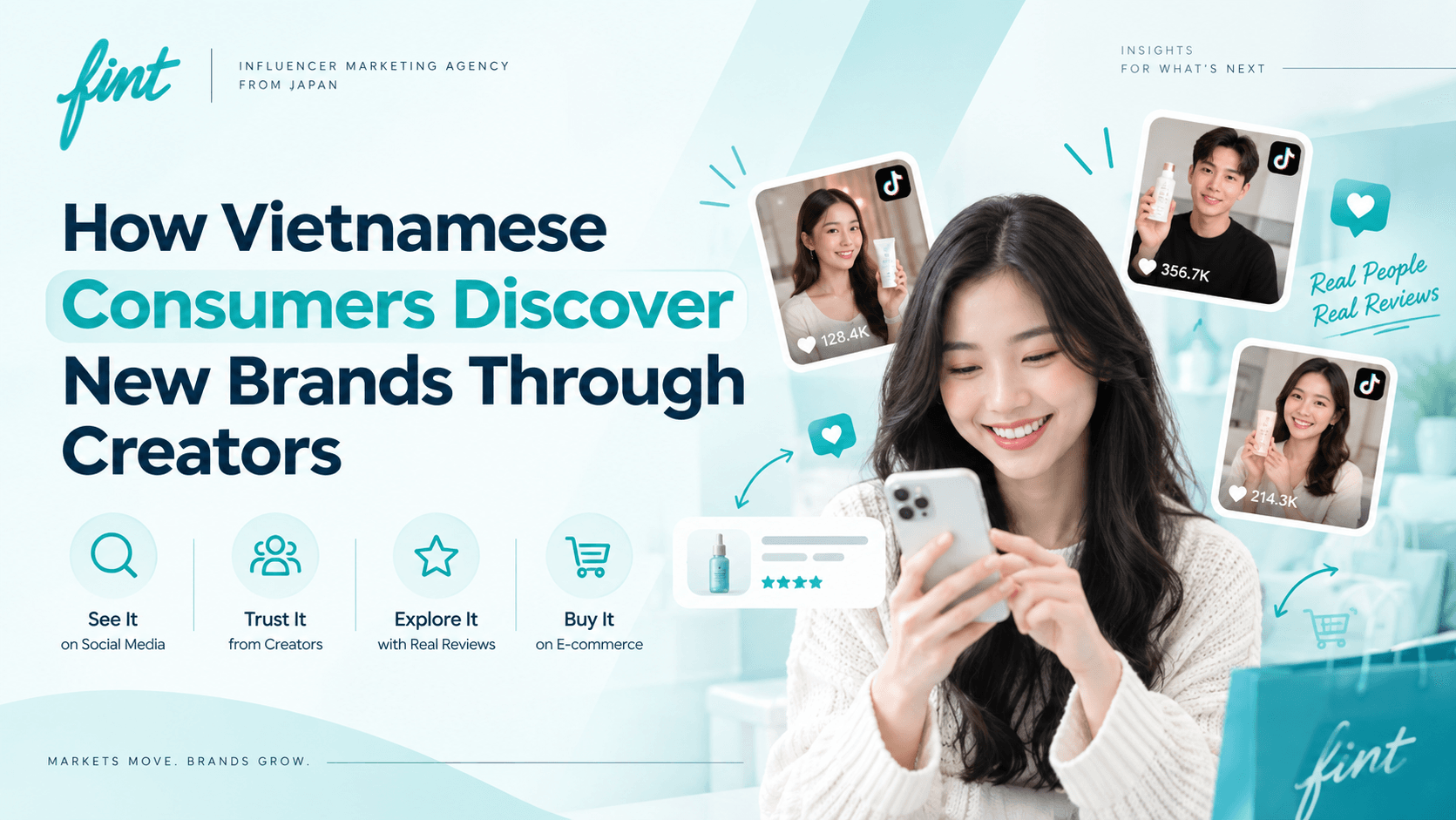
The traditional “search-and-buy” model is fading in Vietnam. For a new generation of consumers, the discovery process has inverted: products find them, not the other way around. This shift is driven almost entirely by creators and the content they produce on platforms like TikTok, which has become the primary engine for brand discovery, particularly for products that are new or unfamiliar to the market—especially in high-consideration categories like best skincare in vietnam.
The Discovery Model: “Watch it. Love it. Want it.”
Vietnamese consumers, especially Gen Z, are increasingly using digital content platforms as their primary discovery channel. Approximately 23% of young Vietnamese use digital content platforms to discover new brands, and 34% consider them a crucial channel when making purchase decisions.
This represents a fundamental change in the consumer journey. The process, as described by TikTok, follows a clear path:
“Watch it”: A user encounters a product organically in a video, often without actively searching for it.
“Love it”: The product, style, or creator generates interest and an emotional connection.
“Want it”: The content moves beyond views to influence a desire to own the product.
This model is particularly potent for entirely new categories that have zero existing consumer awareness. As one brand founder noted, traditional e-commerce relies on “people finding products,” but for a product like a warming belt that consumers have never heard of, “consumers will not search for a product they have never heard of.” The only viable path is content that makes the unfamiliar “visible, understood, and purchasable” within seconds. This is why many brands now prioritize influencer marketing vietnam to bridge this gap.
Key Discovery Mechanics
1. Short-Form Video is the Primary Discovery Engine
Short videos featuring influencers are the most effective format for brand discovery in Vietnam, with over 60% of consumers responding positively. For many, a video review is the first time they learn about a product.
In fashion, video demonstrates how a garment moves, how fabric behaves, and how it looks on different body types—information static images cannot fully convey. In beauty, 39% of users regularly watch review or tutorial videos on platforms like YouTube, TikTok, and Facebook. This content does triple duty: it introduces, reviews, and demonstrates usage all at once. This is especially relevant when analyzing beauty trends facebook ads vietnam 2026, as video content drives the visual storytelling behind these campaigns.
2. The Power of Reviews and Community
Reviews and creator content now carry more weight than traditional brand advertising. The discovery process is deeply social:
48% of Vietnamese consumers consult online reviews before making a purchase decision.
48% report purchasing products based on positive feedback from online communities.
44% purchased after reading positive comments on influencer posts.
37% trust community recommendations more than influencer endorsements, highlighting the importance of peer-led discovery.
This reveals that discovery often doesn’t end with the first video. Consumers actively seek validation: reading comments, finding creators with similar needs, and checking community feedback. This is critical when trying to establish a product as the best skincare products in vietnam, as community consensus often outweighs brand advertising.
3. The Role of Influencer Types
Influencers of different scales serve different discovery functions. Macro-influencers (100k–1M followers) have the highest engagement rate at 39%, significantly above the Asia-Pacific average of 28%. While mega-influencers (over 1M followers) influence 32% of consumers’ purchase decisions, micro-influencers still impact 23%.
The most effective approach often combines reach with credibility. As one study found, trustworthiness is a stronger predictor of purchase intention than expertise in Vietnam’s social commerce environment, particularly for young consumers. To navigate this complex landscape and select the right creators, many brands partner with a dedicated influencer marketing agency vietnam or a specialized vietnam influencer agency. Working with a local influencer agency vietnam ensures that campaigns resonate authentically with local audiences.
4. Credibility is Everything—and Fragile
Attractiveness and charisma draw initial attention, but credibility drives conversion. In Vietnam’s digital landscape, credibility is a key factor in the information processing process; young consumers rely on perceptions of authenticity when evaluating promotional messages.
However, credibility is fragile. When influencers lose credibility, Gen Z responds through skepticism, emotional backlash, disengagement, and conditional forgiveness. This distrust transfers not only to the influencer but also to the endorsed brand, ultimately lowering purchase intention. This underscores the importance of selecting creators whose values align with the brand and whose communication feels authentic.
Seamless Integration: From Discovery to Purchase
What makes this ecosystem powerful is integration. The entire journey—viewing content, researching, and purchasing—is increasingly consolidated on a single platform. Consumers don’t need to switch apps or search for product names; they can go directly from a video to the product page and complete the transaction within the same ecosystem.
This integration is driving explosive growth. On TikTok Shop Vietnam in 2025, total transaction value grew 66% year-over-year, with the fashion and accessories category growing 60%. The number of affiliate content creators grew by 140%.
Implications for Brands Entering Vietnam
Discovery is social: Consumers discover brands through creators and communities, not search. Your brand’s visibility depends on being seen in the right content, not just ranking for keywords.
Content is product education: For unfamiliar categories, your marketing is your product education. If consumers aren’t searching for your product, they won’t find it—it must be brought to them through engaging content.
Credibility is non-negotiable: In an environment where influencer credibility directly affects trust in endorsed brands, authentic partnerships are essential. Promotional seeding that feels inauthentic can backfire.
Community validation drives purchase: Discovery doesn’t end when a consumer learns about a product—it continues through reviews, comments, and community feedback. Brands that facilitate and engage with this validation process build stronger trust.
Frequently Asked Questions
How do Vietnamese consumers discover new brands?
They discover new brands primarily through short-form video content on platforms like TikTok, where creators introduce products organically. Approximately 23% of Gen Z consumers use digital content platforms specifically for brand discovery.
Why is content more important than search for new brands in Vietnam?
For new or unfamiliar products, consumers don’t know what to search for. Content—especially videos featuring creators—makes the unfamiliar visible and understandable within seconds, creating demand rather than waiting for it.
What type of content is most effective for brand discovery?
Short videos featuring influencers are the most effective, with over 60% of consumers responding positively. Video content allows for simultaneous introduction, review, and demonstration, which is particularly valuable for beauty and fashion categories.
How important are reviews in the discovery process?
Very important. Reviews and creator content carry more weight than brand advertising. 48% of consumers consult online reviews before purchasing, and 48% have purchased based on positive community feedback.
What happens when an influencer loses credibility?
Credibility loss leads to decreased trust in both the influencer and the endorsed brand, ultimately lowering purchase intention. Gen Z consumers respond with skepticism, emotional backlash, and disengagement.
How does the purchase journey work on platforms like TikTok?
It’s integrated: a user sees a product in a video, watches reviews, reads comments, and can purchase directly without leaving the platform. This “Watch it. Love it. Want it.” model shortens the gap between discovery and purchase.